

In contemporary society, young people face increasing levels of pressure that significantly influence their personal development, mental well-being, and life choices. While societal expectations have long played a role in shaping youth behavior, the intensity and scope of these pressures have expanded due to rapid social, technological, and economic changes. As a result, many young individuals struggle to balance personal aspirations with externally imposed standards.

Unrealistic Standards of Success
Modern society often promotes a narrow definition of success, emphasizing academic excellence, financial stability, and social recognition. From an early age, youth are encouraged to achieve high academic results, secure admission to prestigious institutions, and pursue financially rewarding careers. Although ambition and discipline are valuable traits, excessive emphasis on achievement can lead to chronic stress, fear of failure, and diminished self-esteem among young people.
Such expectations may overlook individual differences in talent, interest, and pace of development. When success is measured primarily by external outcomes, youth may feel compelled to suppress their personal goals in favor of socially approved paths.

Influence of Social Media and Digital Culture
The rise of social media has further intensified societal pressure on youth. Digital platforms often present idealized portrayals of success, appearance, and lifestyle, fostering constant comparison. Exposure to curated images and narratives can distort perceptions of reality, leading many young individuals to believe they are inadequate or underachieving.
The pursuit of online validation through likes, shares, and followers has become a significant source of psychological stress. This environment not only affects self-worth but also contributes to anxiety, social isolation, and decreased emotional resilience.

Academic and Career-Related Stress
Educational systems in many societies prioritize competition over holistic development. Students are expected to excel academically while simultaneously making critical decisions about their future careers. In an increasingly uncertain job market, the pressure to select a “secure” or socially respected profession can be overwhelming.
As a consequence, youth may experience burnout and disengagement, particularly when their academic and career choices are driven by societal expectations rather than personal interest or aptitude.

Cultural and Gender-Based Expectations
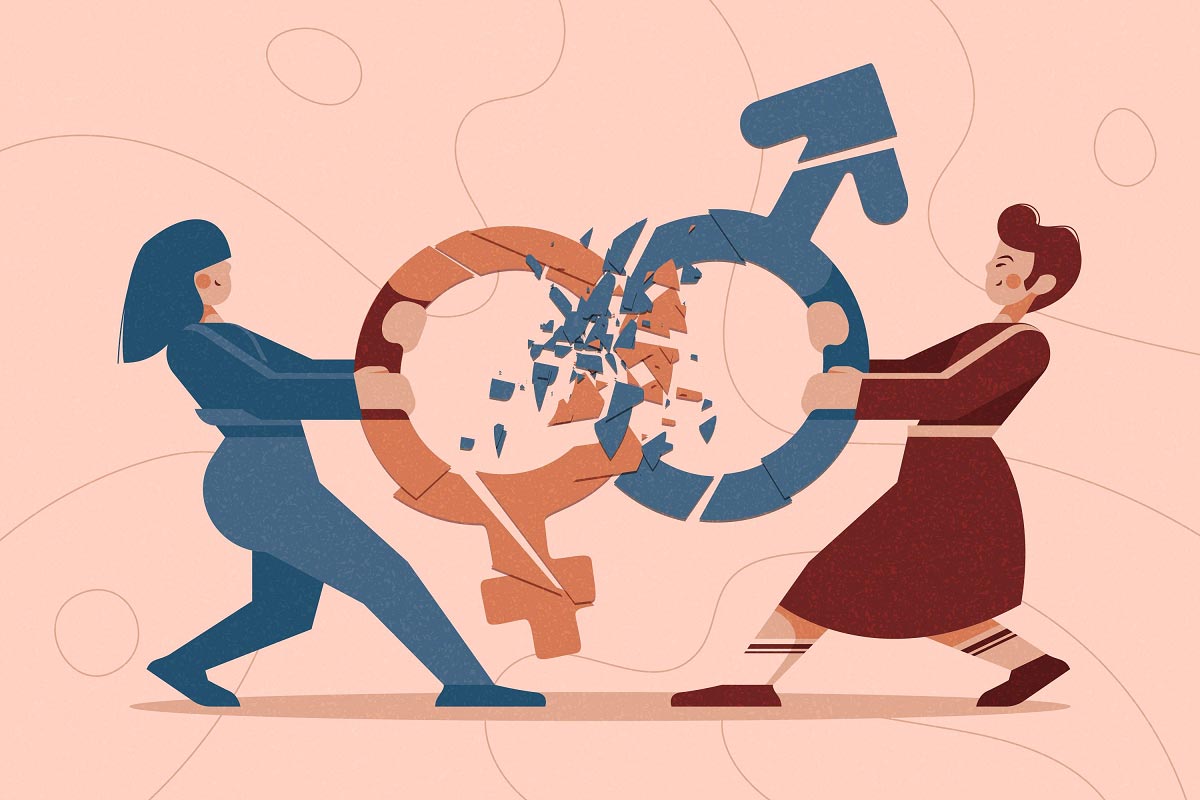
Cultural norms and gender roles further shape the pressures experienced by youth. In many contexts, young men are expected to demonstrate financial independence and emotional strength, while young women may face expectations related to appearance, behavior, or family responsibilities. These rigid norms can restrict self-expression and limit opportunities for personal growth.
Youth who challenge traditional expectations often encounter social resistance, which can contribute to feelings of alienation and identity conflict.
Implications for Mental Health
The cumulative effect of societal pressure has serious implications for youth mental health. Increasing rates of stress, anxiety, depression, and emotional exhaustion highlight the need for greater awareness and intervention. Unfortunately, mental health concerns are frequently stigmatized, discouraging young individuals from seeking professional support.
Without adequate emotional and institutional support, many youth internalize their struggles, which may adversely affect their long-term well-being and productivity.

Addressing the Issue
Addressing societal pressure on youth requires a comprehensive and collective approach. Families, educational institutions, and policymakers must broaden definitions of success to include emotional well-being, creativity, and personal fulfillment. Encouraging open dialogue about mental health, failure, and self-development is essential.
Educational systems should prioritize supportive learning environments that foster critical thinking, self-awareness, and resilience rather than solely focusing on competition and performance metrics.
Conclusion
Societal pressure exerts a profound influence on the lives of young people, shaping their decisions, identities, and mental health. While expectations can motivate growth, excessive and rigid standards often hinder personal development. By promoting empathy, flexibility, and inclusive definitions of success, society can better support youth in achieving balanced and meaningful lives.