
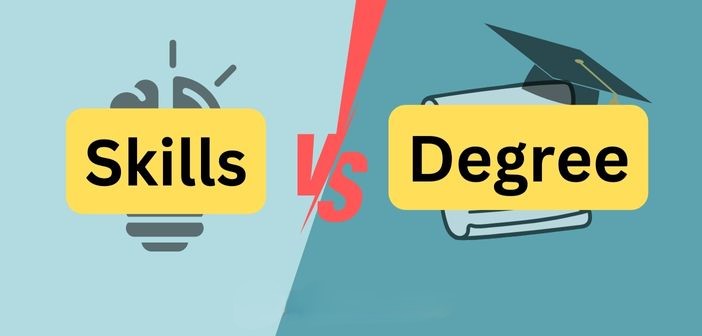
Education System vs Real-World Skills: Bridging the Growing Gap
In today’s rapidly evolving world, education is often viewed as the primary pathway to success. Degrees, grades, and certifications continue to dominate hiring requirements and societal expectations. However, a growing concern among students, educators, and employers alike is the widening gap between the traditional education system and the real-world skills required to thrive in modern careers.
While formal education provides foundational knowledge, it frequently falls short in preparing individuals for the practical challenges of professional life.
The Strengths of the Traditional Education System
The education system plays a vital role in shaping intellectual growth. It offers structured learning, academic discipline, and exposure to theoretical concepts across various fields. Schools and universities help students develop basic cognitive abilities such as reading, writing, problem-solving, and analytical thinking.
Degrees also serve as standardized credentials, offering employers a general benchmark of a candidate’s academic background. For many professions—such as medicine, engineering, and law—formal education remains essential and irreplaceable.
However, education alone is no longer sufficient.
The Missing Link: Real-World Skills
Real-world skills refer to practical, transferable abilities that are directly applicable in professional and personal environments. These include:
-
Communication and interpersonal skills
-
Critical thinking and decision-making
-
Adaptability and emotional intelligence
-
Digital literacy and technological competence
-
Time management and teamwork
-
Problem-solving in unpredictable situations
Unfortunately, many graduates enter the workforce having mastered textbooks but lacking confidence in applying their knowledge practically. This disconnect often results in frustration, job dissatisfaction, and extended learning curves after employment.

Why the Gap Is Widening
Several factors contribute to the growing divide between education and real-world requirements:
1. Outdated Curricula
Educational syllabi often lag behind industry trends. Rapid technological advancements demand continuous updates, yet many institutions struggle to adapt quickly.
2. Exam-Oriented Learning
The emphasis on grades and memorization encourages short-term learning rather than long-term understanding and application.
3. Limited Practical Exposure
Internships, hands-on projects, and real-life case studies are frequently optional rather than integrated into core learning.
4. Lack of Soft Skills Training
Skills such as leadership, collaboration, and emotional intelligence are rarely taught explicitly, despite being critical for workplace success.
What Employers Are Really Looking For
Modern employers increasingly prioritize skills over degrees. While academic qualifications may open doors, practical competence determines long-term success. Employers seek individuals who can:
-
Learn quickly and adapt to change
-
Communicate ideas clearly
-
Solve problems independently
-
Work effectively in teams
-
Handle pressure and responsibility
This shift has led to the rise of skill-based hiring, freelancing, remote work, and alternative education pathways such as online courses and certifications.

Bridging the Gap: A Shared Responsibility
Closing the gap between education and real-world skills requires collective effort.
Educational Institutions
-
Update curricula to reflect industry needs
-
Integrate internships, workshops, and project-based learning
-
Encourage creativity and critical thinking over rote memorization
Students
-
Take ownership of skill development
-
Pursue internships, freelancing, and online learning
-
Focus on continuous improvement beyond the classroom
Employers
-
Invest in training and mentorship
-
Value potential and adaptability alongside qualifications
The Way Forward
Education should not be viewed as a final destination but as a foundation for lifelong learning. In a world where change is constant, the ability to learn, unlearn, and relearn is the most valuable skill of all.
By aligning academic learning with real-world demands, we can empower future generations to not only secure jobs but to build meaningful, resilient careers.