

Electric cars are no longer a concept of the future—they are rapidly becoming a key part of today’s transportation system. With rising fuel costs, growing environmental concerns, and advancements in battery technology, electric vehicles (EVs) are reshaping how we think about mobility.
What Are Electric Cars?
Electric cars are vehicles powered entirely or partially by electricity instead of traditional gasoline or diesel engines. They use electric motors and rechargeable batteries, which can be charged at home, public charging stations, or fast-charging networks.

Why Electric Cars Are Gaining Popularity
1. Environmentally Friendly
Electric cars produce zero tailpipe emissions, helping reduce air pollution and greenhouse gases. This makes them a cleaner alternative to conventional vehicles and a crucial step toward combating climate change.
2. Lower Running Costs
EVs are cheaper to operate than fuel-powered cars. Electricity costs less than petrol or diesel, and electric cars require less maintenance due to fewer moving parts—no oil changes, fewer repairs, and reduced servicing costs.
3. Advanced Technology
Most electric cars come equipped with modern features such as regenerative braking, smart dashboards, autonomous driving assistance, and mobile app connectivity. These innovations enhance both performance and driving comfort.
4. Government Support and Incentives
Many countries offer tax benefits, subsidies, and incentives to encourage the adoption of electric vehicles. These incentives significantly reduce the upfront cost for buyers.
Types of Electric Cars
-
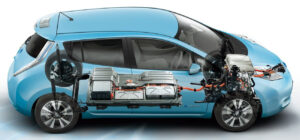
Battery Electric Vehicles (BEVs): Fully electric, powered only by batteries
-
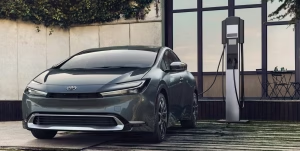
Plug-in Hybrid Electric Vehicles (PHEVs): Combine electric motors with traditional engines.
-
Hybrid Electric Vehicles (HEVs): Use both fuel and electric power but cannot be plugged in.

Challenges Facing Electric Cars
Despite their benefits, electric cars still face some challenges:
-
Limited charging infrastructure in certain regions
-
Higher initial purchase cost
-
Battery range anxiety for long-distance travel
-
Battery disposal and recycling concerns
However, continuous innovation is addressing these issues at a rapid pace.
The Future of Electric Cars
The future of electric cars looks promising. With improvements in battery life, faster charging technology, and expanding charging networks, EVs are expected to become more affordable and accessible. Major automobile manufacturers are shifting toward electric-only production, signaling a global transition to cleaner transportation.

Conclusion
Electric cars represent a powerful shift toward sustainable, cost-effective, and technologically advanced transportation. While challenges remain, the benefits far outweigh the drawbacks. As infrastructure improves and technology evolves, electric vehicles are set to become the standard rather than the exception.