

Human memory and artificial intelligence memory are often compared, but they are built on two completely different foundations. One is biological and emotional; the other is digital and computational. Yet, both aim to do the same thing: store information, learn from it, and use it to make decisions.
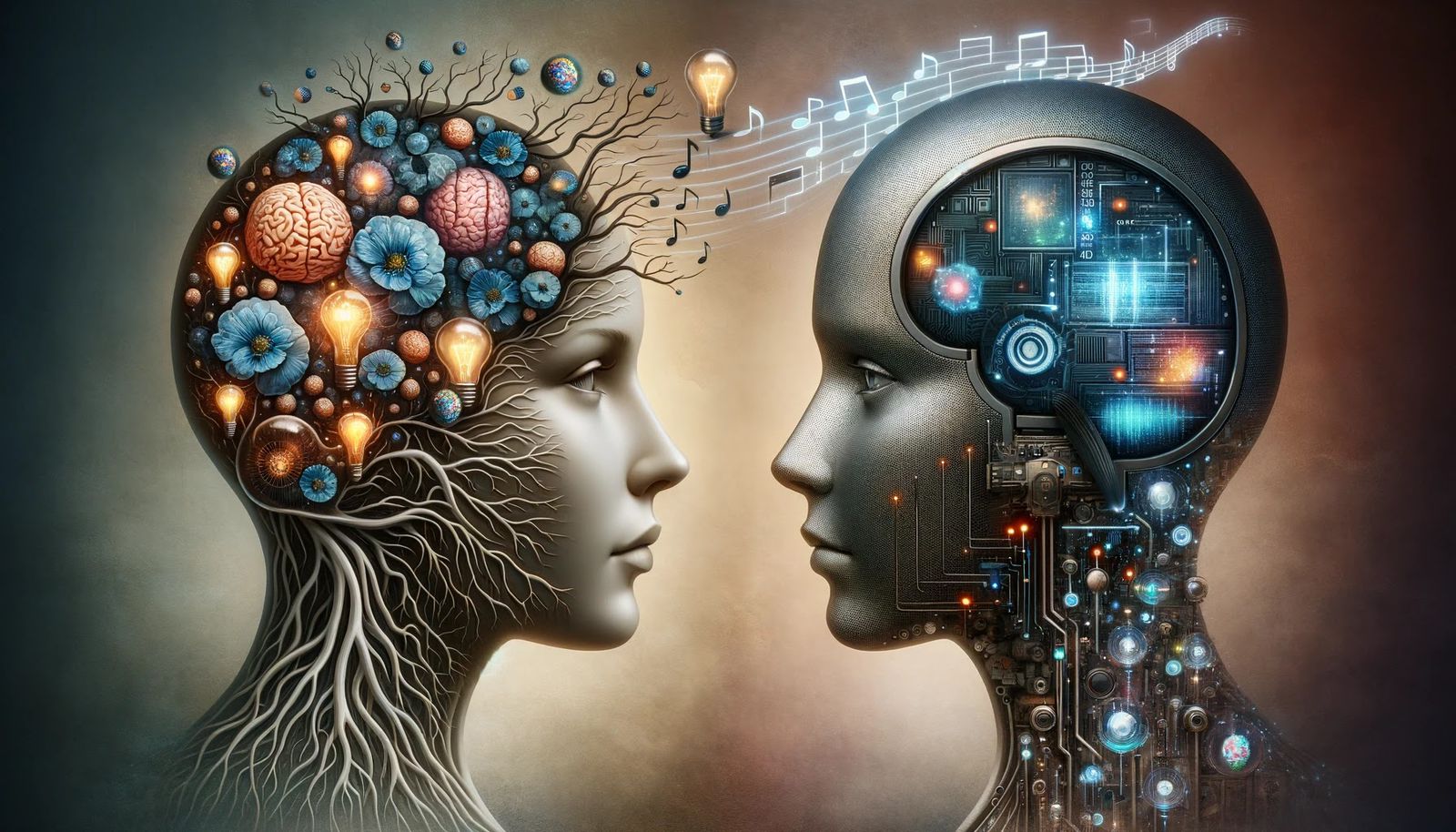
In this blog, we explore the differences between AI memory and human memory, and answer the huge question:
Which learns faster — and why?
1. What Is Human Memory?
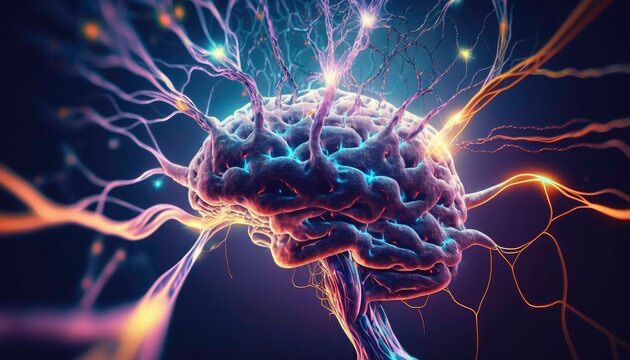
Human memory is a living, constantly changing system. It works through:
✔ Neural Connections
Every time we learn something new, neurons form and strengthen connections in the brain.
This process is slow, organic, and shaped by experience.
✔ Emotional Influence
Our memories are tied to emotions — joy, fear, excitement.
This makes learning meaningful but also selective.
✔ Experience-Based Learning
Humans learn deeply through:
Seeing
Doing
Feeling
Repeating
Human memory is incredibly powerful, but also limited. We forget. We get distracted. We mix memories. Our brains evolve with time, age, habits, and emotions.
2. What Is AI Memory?🤖
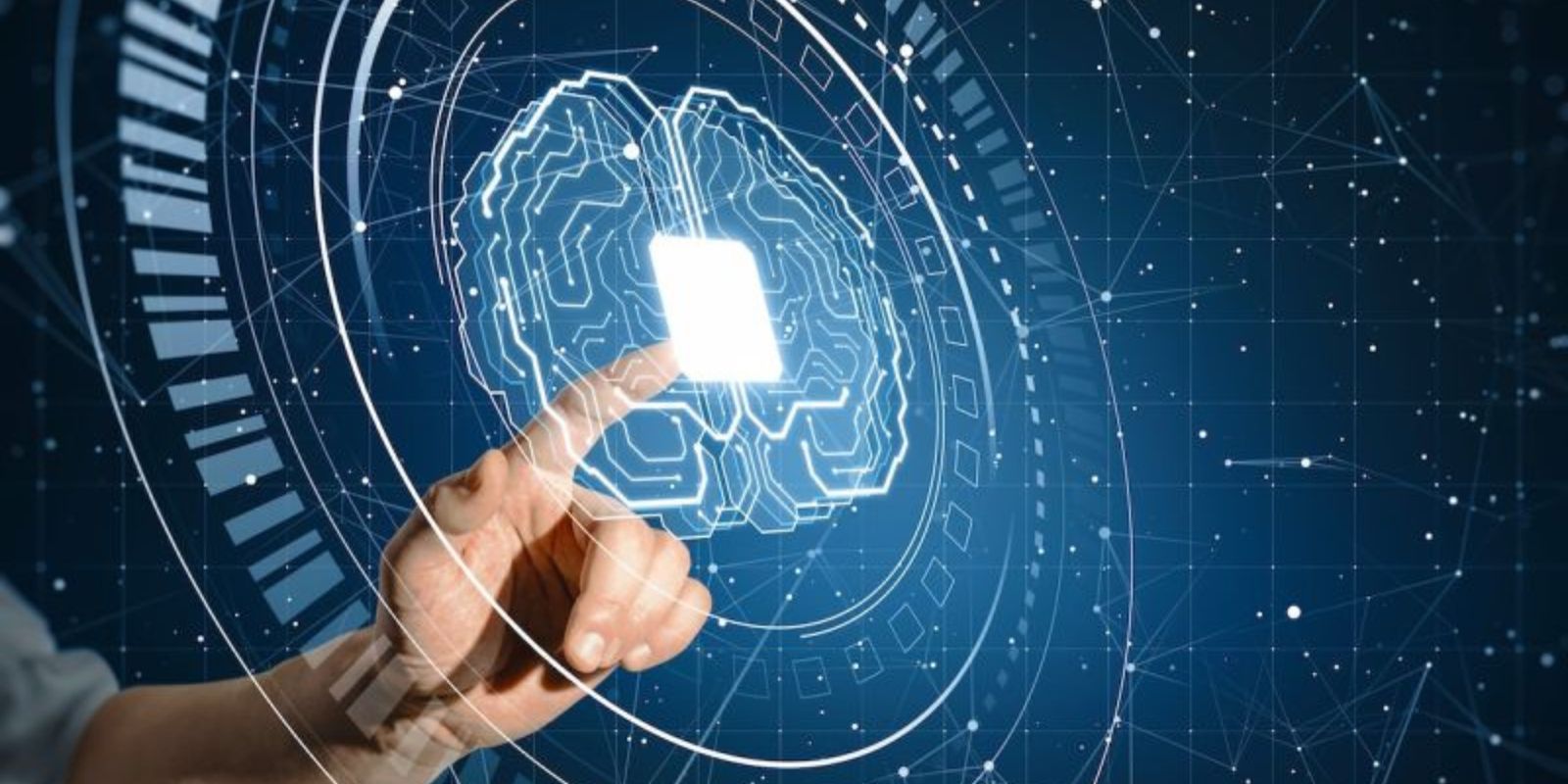
AI memory is not emotional or biological — it’s computational.
AI stores information through:
Training data
Neural network weights and parameters
Mathematical patterns
Digital storage systems
AI does not “remember” the way humans do.
It does not feel, interpret, or experience life.
But it can absorb massive amounts of information instantly and permanently.
3. Which Learns Faster?
⚡ AI Learns Faster — by a HUGE Margin
🏆 AI can learn in minutes what may take humans years. Why?
1. Ultra-Fast Processing Power
AI can analyze millions of examples in seconds.
Humans cannot.
2. No Forgetting or Fatigue
AI doesn’t:
get tired
get bored
lose focus
forget information
Once it learns something, it remains stored unless deleted.
3. Parallel Learning
While a human focuses on one thing at a time,
AI can process thousands of tasks simultaneously.
4. Unlimited Memory Expansion
Humans have limited working memory.
AI can store terabytes or even petabytes.
👉 Because of these factors, AI learns faster — but not necessarily better.
4. Why Do Humans Learn Slower?🕊️
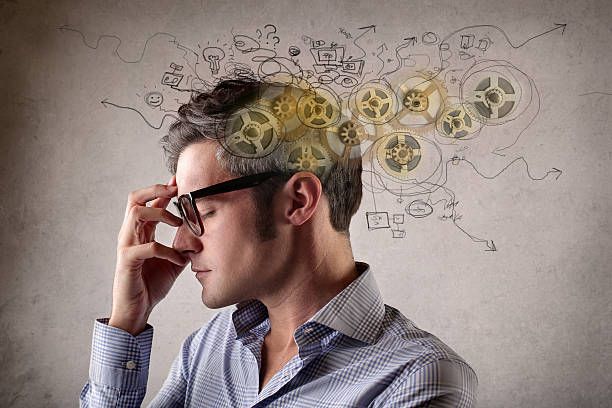
Humans learn slower because our brains are built for quality, not speed.
✔ Biological Limitations
Neurons take time to grow, connect, and strengthen.
✔ Emotional & Cognitive Load
Stress, distractions, and feelings affect our ability to learn.
✔ Need for Repetition
Humans require practice to build long-term memory.
✔ Protective Forgetting
The brain forgets intentionally to avoid overload.
Humans prioritize meaning, context, survival, creativity, and emotion, which slows learning but improves wisdom.
5. Where Humans Win Over AI
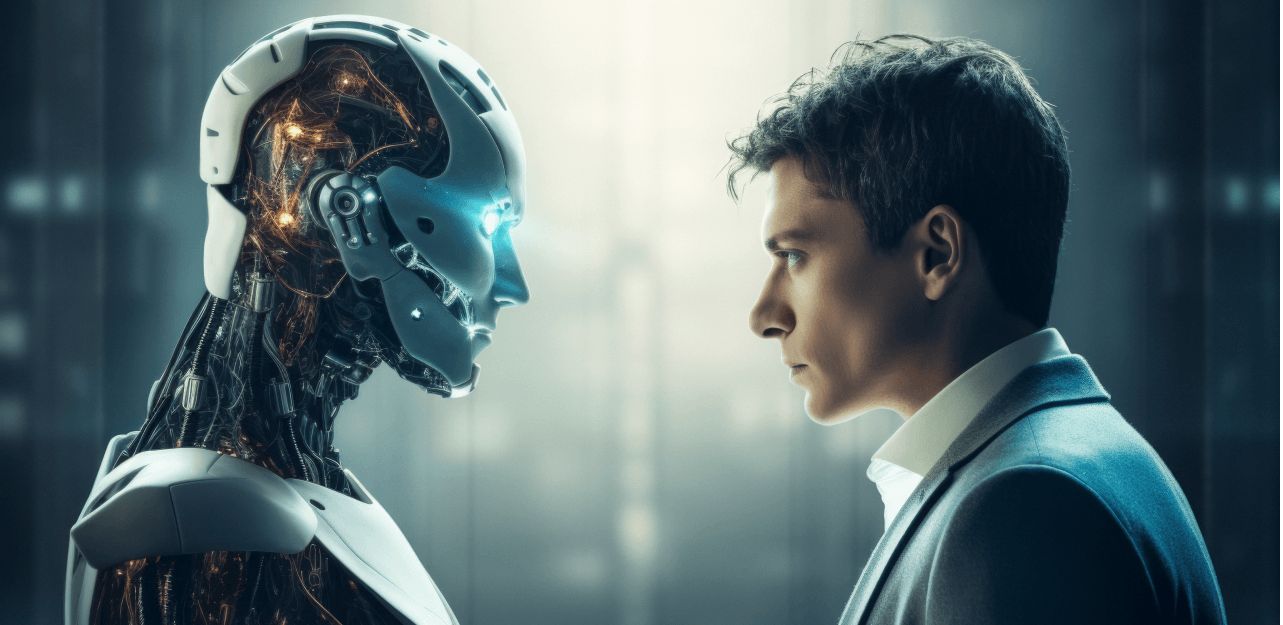
Even though AI learns faster, humans are superior in areas AI cannot replicate:
✔ Creativity
AI can copy patterns, but cannot truly imagine.
✔ Emotional Intelligence
Humans understand feelings, empathy, and social meaning.
✔ Ethical Judgment
AI follows rules — humans understand right and wrong.
✔ Adaptability
AI struggles without data. Humans adapt instantly to new conditions.
✔ Intuition & Wisdom
Humans learn from life, not just data.
AI is fast.
Humans are wise.
Final Verdict: Who Learns Faster and Why?
🏁 AI learns faster because it processes massive data instantly, doesn’t forget, and has unlimited storage.
🧠 Humans learn deeper because we understand meaning, emotion, context, and purpose.
The future belongs to both — AI for speed, humans for intelligence.
